The Importance of Competitor Analysis in SEO
Introduction to SEO and Competitive Insight
Search engine optimisation has become a fundamental part of modern digital marketing. Businesses depend on search engines to connect with people who are actively searching for their products or services. Strong visibility in search results increases brand awareness, builds trust, and drives consistent website traffic. Companies that invest in effective optimisation strategies, including support such as strategic SEO services in Delhi, often achieve stronger online presence and long term growth through organic search.
In a competitive digital environment, ranking well requires more than publishing content and using keywords. Businesses must also understand what other successful websites are doing. Competitor analysis helps marketers study the strategies that already perform well in search engines. By examining competitor content, keywords, backlinks, and website structure, businesses can uncover valuable insights that improve their own SEO performance.
What Competitor Analysis Means in SEO
Competitor analysis in search engine optimisation refers to the process of studying websites that compete for the same audience and keywords. The purpose is to understand what strategies help those websites achieve strong rankings and visibility.
This research focuses on identifying the techniques that successful websites use to attract search traffic. Instead of guessing what might work, businesses can observe proven strategies that already perform well in search results.
Several aspects are usually analysed during competitor research:
- Keywords that drive traffic to competitor websites
• Content topics and depth of information
• Backlink sources and authority
• Technical optimisation and site structure
• User experience and content readability
By analysing these factors, businesses gain a clear understanding of the competitive landscape. This insight allows them to refine their optimisation strategy and create stronger content.
Why Competitor Analysis Matters for Search Visibility
Search engines rank websites according to relevance, authority, and user experience. Competitor analysis helps businesses understand how competing websites satisfy these ranking signals.
Without studying competitors, organisations may miss important opportunities or underestimate the level of effort required to rank well. Researching competitor strategies helps marketers plan smarter optimisation campaigns.
Understanding Market Competition
Every industry has websites that dominate search results. These websites often invest in detailed content, strong backlink profiles, and technical optimisation.
By analysing them, businesses can learn:
- Which companies control important search terms
• How strong the competition is in a specific niche
• What level of content quality is expected
This understanding helps businesses set realistic SEO goals.
Discovering New Keyword Opportunities
Competitors often rank for keywords that other businesses may not have considered. Studying competitor keyword rankings reveals valuable search terms that can drive targeted traffic.
Businesses can then expand their keyword strategy and create pages designed to compete for those search queries.
Learning From Proven Strategies
Competitor websites provide examples of techniques that already succeed in search engines. Studying their content structure, keyword usage, and link strategies helps businesses refine their own approach.
Instead of experimenting without direction, marketers can learn from existing successful practices.
Major Benefits of Competitor Analysis in SEO
Competitor analysis offers several important advantages that help businesses improve their search engine performance.
Stronger Keyword Planning
By studying competitor rankings, marketers can identify high value search terms that attract large audiences.
Benefits include:
- Discovering keywords with strong traffic potential
•Identifying valuable long search queries
• Understanding search demand within the industry
These insights help businesses focus on keywords that provide meaningful results.
Improved Content Strategy
Competitor research reveals what type of content attracts attention in search engines. Businesses can analyse the structure and topics that successful websites use.
Insights may include:
- Popular blog topics within an industry
• Detailed guides that attract backlinks
• Educational resources that engage readers
Using this information helps marketers create content that provides real value.
Enhanced Backlink Opportunities
Backlinks play a major role in building authority and credibility. Competitor analysis shows which websites link to successful competitors.
This research helps businesses identify:
- Authoritative websites within their niche
• Potential partnership opportunities
• Online publications that accept expert contributions
These insights support a stronger link building strategy.
Better User Experience
Competitor websites often reveal design and usability trends that improve engagement. Studying their layout and navigation can highlight areas for improvement.
Common factors include:
- Clear page structure
• Easy navigation
• Mobile friendly design
• Readable content layout
Improving these elements enhances both search rankings and visitor satisfaction.
Key Elements to Analyse During Competitor Research
Effective competitor analysis focuses on several important areas that influence search rankings.
Keyword Rankings
Understanding which keywords competitors rank for helps businesses evaluate search demand and competition levels.
Important questions include:
- Which keywords drive the most traffic
• Which search terms have strong commercial intent
• Which keywords competitors dominate
Content Quality and Depth
High quality content is essential for strong search visibility. Studying competitor content reveals the depth of information required to compete.
Key elements to examine include:
- Content length and detail
• Structure of headings and sections
• Use of images and examples
• Clarity of explanations
Backlink Profiles
Backlinks remain a critical ranking factor. Competitor analysis reveals where successful websites earn their links.
Important metrics include:
- Number of linking domains
• Authority of linking websites
• Relevance of linking sources
Technical SEO Elements
Technical optimisation ensures that search engines can crawl and index a website properly.
Competitor research often examines:
- Page loading speed
• Mobile optimisation
• Site architecture
• Internal linking structure
Practical Tools Used for Competitor Analysis
Several digital tools help marketers gather data about competitor websites and search performance.
Keyword Research Platforms
Keyword research tools help identify search queries competitors rank for. These tools provide data on search volume and ranking difficulty.
They help businesses:
- Discover new keyword opportunities
• Evaluate keyword competition
• Identify traffic generating terms
Backlink Research Tools
Backlink tools reveal the websites that link to competitors. This data helps businesses identify potential link sources.
Benefits include:
- Finding relevant linking opportunities
• Evaluating competitor authority
• Understanding link building patterns
Technical Audit Platforms
Technical analysis tools evaluate the performance and structure of websites.
They help businesses analyse:
- Page speed performance
• Mobile usability
• Site structure and indexing issues
Content Research Platforms
Content research tools help marketers identify popular topics and successful content formats.
These platforms provide insights such as:
- Content that attracts backlinks
• Topics that generate audience interest
• Frequently searched questions
Using multiple tools together creates a detailed view of competitor strategies.
Actionable Strategies Using Competitor Insights
Competitor analysis becomes valuable when businesses apply the insights to improve their own optimisation efforts.
1 Create Higher Quality Content
Instead of copying competitor content, businesses should aim to create more useful resources.
This may include:
- Providing deeper explanations
• Adding practical examples
• Updating information with recent data
• Organising content clearly for readers
2 Target Underserved Keywords
Competitor research often reveals keywords that receive traffic but have moderate competition.
Businesses can:
- Create pages targeting these search queries
• Improve existing pages with better optimisation
• Publish educational resources that answer user questions
3 Develop Stronger Link Building Campaigns
Backlink analysis identifies websites that already link to competitors.
Businesses can reach out to these websites by:
- Offering valuable insights or research
• Providing guest contributions
• Sharing helpful educational resources
4 Improve Technical Performance
Studying competitor websites may highlight performance improvements that increase user satisfaction.
Areas to improve include:
- Faster page loading speed
• Clear website navigation
• Logical internal linking structure
5 Strengthen Content Promotion
Successful competitors often promote their content effectively.
Businesses can increase visibility through:
- Social media sharing
• Email newsletters
• Partnerships with industry websites
Promotion ensures that high quality content reaches the right audience.
Practical Example of Competitor Analysis in Action
Imagine a digital marketing agency aiming to increase its visibility in search engines. By studying top ranking competitors, the agency discovers several important patterns.
First, leading competitors publish detailed educational guides that answer common marketing questions. These guides attract links from industry websites and generate consistent traffic.
Second, competitor pages use clear headings, organised content, and visual elements that improve readability. This structure helps readers quickly understand complex topics.
Third, competitor websites earn backlinks from business directories and marketing publications. These links strengthen their authority and improve rankings.
Based on these insights, the agency decides to improve its strategy by creating detailed marketing guides, improving website structure, and building relationships with industry publishers. Over time, these improvements help increase search visibility and organic traffic.
Frequently Asked Questions
1 What is competitor analysis in SEO
Competitor analysis involves studying websites that rank for the same keywords as your business. This research helps identify strategies that influence search visibility and traffic.
2 Why is competitor analysis important for SEO
It helps businesses understand what works in their industry and reveals opportunities for improvement. These insights guide smarter keyword targeting and content development.
3 How often should businesses perform competitor research
Competitor research should be conducted regularly because search rankings change over time. Many marketers review competitor performance every few months.
4 What tools help with competitor analysis
Various SEO platforms provide data on keyword rankings, backlinks, and content performance. These tools help marketers understand how competitors attract search traffic.
5 Can small businesses benefit from competitor analysis
Yes, small businesses can discover niche keyword opportunities and learn from larger competitors. This research helps them build focused and effective SEO strategies.
6 Does competitor analysis involve copying other websites
No, the goal is to learn from successful approaches rather than duplicate them. Businesses should use insights to create unique and improved content.
7 How does competitor analysis support long term SEO success
Continuous competitor research helps businesses adapt to changes in search behaviour. This approach allows marketers to refine strategies and maintain strong search visibility.
Conclusion
Competitor analysis plays a critical role in successful search engine optimisation. It helps businesses understand the strategies that influence rankings and provides valuable insights into the competitive landscape.
By studying competitor keywords, content strategies, backlinks, and technical optimisation, organisations gain knowledge that guides better marketing decisions. These insights allow businesses to identify opportunities, improve content quality, and strengthen their optimisation efforts.
The value of competitor research extends beyond short term ranking improvements. It supports smarter content planning, stronger link building campaigns, and better user experience. Businesses that regularly analyse competitors stay aware of industry trends and evolving search behaviour.
In an increasingly competitive digital environment, understanding competitor strategies is essential for sustainable growth. Organisations that combine competitor insights with consistent optimisation efforts build a strong foundation for long term success in search engines.
How Restaurants Can Dominate Their Local Market Online

In today’s competitive dining industry, having a physical location is no longer enough. Diners increasingly discover new restaurants online through search engines, social media, review platforms, and local directories.
Restaurants that priorities a strong digital presence gain significant advantages, attracting more customers, building loyalty, and increasing revenue. Leveraging professional local restaurant seo services ensures your business ranks high in local searches while providing a foundation for other online strategies.
This guide outlines in-depth, practical strategies restaurants can use to dominate their local market online, covering local SEO, reputation management, social media, content marketing, advertising, analytics, and advanced techniques for sustainable growth.
Local SEO ensures your restaurant appears in front of diners searching for nearby dining options. It combines website optimization, content strategies, and online presence management to increase visibility and attract the right customers.
1. Google Business Profile Optimization
Google Business Profile (GBP) is the most critical tool for local search visibility.
- Claim and verify your profile: Ensure there are no duplicates and that your business information is accurate.
- Complete all fields: Include restaurant name, address, phone number, website, opening hours, menus, high-quality images, and services.
- Choose accurate categories: Primary categories should reflect your cuisine type, while secondary categories can highlight services like takeaway, delivery, or catering.
- Regular posts and updates: Promote events, daily specials, seasonal menus, and promotions.
- Enable messaging and booking links: Allow diners to contact you directly or book a table through your GBP profile.
- Add attributes: Highlight features such as outdoor seating, child-friendly facilities, and accessibility options.
- High-quality photos: Include images of the dining area, signature dishes, chefs, and events to attract attention.
Example: A restaurant in Manchester increased online reservations by 50% after posting weekly specials on their GBP and responding to customer questions through messaging.
Local Keyword Research and Optimization
- Use location-specific keywords, including city, neighbourhood, or even street names.
- Include long-tail keywords reflecting intent: “Best gluten-free bakery near Islington” or “Family-friendly seafood restaurant in Brighton.”
- Integrate keywords naturally in page titles, meta descriptions, headings, and website content.
- Optimize menu pages with keywords describing signature dishes and dietary options.
- Track competitor keywords to identify gaps and opportunities.
Advanced Tip: Use tools like SEMrush, Ahrefs, Moz, or Google Keyword Planner to discover high-volume, low-competition local search terms. Incorporate these into blogs, FAQs, and menus.
On-Page SEO for Local Relevance
- Embed Google Maps on your contact page.
- Add consistent NAP (Name, Address, Phone) details across all pages and online listings.
- Use structured data (Schema markup) for menus, events, business hours, and reviews.
- Optimize images with descriptive alt text including dish names and locations.
- Include customer testimonials and featured reviews on your homepage for trust signals.
Example: A café in Leeds saw a 40% increase in organic traffic after optimizing menu pages with structured data and embedding a location map.
- Reputation Management
Your restaurant’s online reputation influences both diners and search rankings. Trustworthiness, professionalism, and transparency can differentiate your business from competitors.
Responding to Reviews and Feedback
Even without actively soliciting reviews, managing feedback is crucial.
- Respond to all reviews professionally and promptly.
- Thank positive reviewers and invite them to return.
- Address negative reviews with empathy, acknowledging issues and offering solutions.
- Use responses to highlight your restaurant’s values, quality, and commitment to customer satisfaction.
Example: A family restaurant in Brighton turned 30% of negative reviews into positive experiences by resolving complaints and highlighting improvements in follow-up responses.
Monitoring Your Online Reputation
- Set up alerts for mentions of your restaurant on Google, social media, review sites, and local blogs.
- Track review trends to identify recurring issues or opportunities.
- Use reputation management tools like ReviewTrackers, Podium, or Yext to automate monitoring and reporting.
- Regularly audit online presence to ensure consistency across listings, menus, and website content.
Leveraging Positive Reviews
- Highlight positive reviews on social media and your website.
- Create testimonial graphics for Instagram or Facebook.
- Encourage repeat visits by showing appreciation for loyal customers.
- Social Media Engagement
Social media connects your restaurant with the local community, increases brand visibility, and drives traffic to your website.
Choosing the Right Platforms
- Instagram: Ideal for visual storytelling, showcasing dishes, chef activities, and events.
- Facebook: Great for promotions, event announcements, and customer engagement.
- TikTok: Effective for viral, short-form video content and reaching younger audiences.
- LinkedIn: Useful for corporate catering, professional networking, or partnerships.
Content Strategies
- Visual storytelling: Share high-quality images and videos of dishes, behind-the-scenes kitchen moments, and dining experiences.
- User-generated content: Encourage diners to post photos or tag your restaurant using branded hashtags.
- Live streaming: Host live cooking demos, chef Q&A sessions, or virtual tours.
- Educational content: Post recipe tutorials, ingredient sourcing stories, and cooking tips.
- Community engagement: Highlight collaborations with local suppliers, events, or charities.
Example: A bakery in Bristol increased footfall by 50% after running an Instagram challenge encouraging followers to share creative baking photos.
Engagement and Growth Techniques
- Respond to all comments and messages promptly.
- Use polls, quizzes, and contests to boost interaction.
- Collaborate with local influencers to expand reach and credibility.
- Promote special offers and events with paid social campaigns targeting local audiences.
Pro Tip: Consistency is key create a content calendar to maintain regular posts across platforms.
- Local Content Marketing
Producing locally relevant content establishes your restaurant as an authority in the community and attracts diners searching for local experiences.
Blogs and Guides
- Write blog posts about local events, seasonal ingredients, and chef insights.
- Create local dining guides, e.g., “Top 10 Family-Friendly Restaurants in Birmingham.”
- Optimize posts with local keywords and internal links to menu or reservation pages.
Example: A vegan café in London attracted 20% more website traffic by publishing a blog series on local farmers’ markets and seasonal produce.
Video Marketing
- Showcase signature dishes, cooking tutorials, or chef interviews.
- Highlight local suppliers and sustainability initiatives.
- Share content on Instagram Reels, TikTok, and YouTube Shorts for maximum reach.
Email Marketing and Loyalty Programmes
- Build a mailing list through reservations or website sign-ups.
- Send personalized emails about menu changes, events, promotions, and seasonal offers.
- Segment campaigns based on preferences, previous visits, or dietary choices.
- Combine email marketing with loyalty programmes to reward frequent customers and increase repeat business.
Example: A restaurant in Cardiff increased repeat visits by 20% through monthly newsletters paired with loyalty rewards for frequent diners.
- Online Advertising Strategies
Paid advertising provides immediate visibility and complements organic strategies.
Google Ads
- Target location-specific keywords to reach diners ready to make a decision.
- Run display campaigns to attract attention on local websites.
- Use remarketing campaigns to re-engage past website visitors.
Social Media Advertising
- Run geographically targeted campaigns on Instagram and Facebook.
- Promote seasonal menus, events, or limited-time offers.
- Test different visuals, formats, and ad copy to identify what resonates locally.
Local Partnerships and Sponsorships
- Collaborate with local businesses for co-branded events or promotions.
- Sponsor community events or charity initiatives to gain visibility and goodwill.
- Partner with influencers for sponsored campaigns highlighting your cuisine and dining experience.
- MobileOptimization
With most local searches on mobile devices, ensuring your website is mobile-friendly is essential.
- Implement responsive website design across devices.
- Optimise page speed with compressed images, caching, and fast hosting.
- Simplify navigation, menus, booking forms, and checkout processes.
- Include click-to-call buttons, maps, and mobile-friendly reservations.
Pro Tip: Use Google’s Mobile-Friendly Test and PageSpeed Insights to identify and fix mobile usability issues.
-
Tracking, Analytics, and Continuous Improvement
Continuous monitoring ensures strategies remain effective and adaptable.
- Google Analytics: Track traffic sources, conversions, user behaviour, and popular content.
- Google Search Console: Monitor search impressions, clicks, and keyword rankings.
- Social Media Insights: Analyse engagement rates, reach, and follower growth.
- Adjust campaigns based on seasonal trends, competitor analysis, and performance metrics.
- Conduct quarterly audits of GBP, website content, and local listings to maintain relevance.
- Advanced Tactics for Local Dominance
- Geo-targeted content: Create blogs and promotions specific to neighbourhoods or districts.
- Event marketing: Promote local events, wine tastings, chef specials, or culinary workshops.
- Influencer partnerships: Engage local food bloggers or micro-influencers for authentic reach.
- Community engagement: Sponsor local schools, charities, or festivals to strengthen your local brand.
- Seasonal promotions: Align campaigns with holidays, festivals, or local happenings.
- Multimedia storytelling: Combine video, photos, and text content to engage audiences across multiple channels.
Frequently Asked Questions.
- How long does it take to see results from local SEO?
3–6 months for noticeable changes, depending on competition, currentoptimisation, and ongoing effort. - Which social media platform is best for restaurants?
Instagram and Facebook are ideal for visual engagement; TikTok for younger audiences; LinkedIn for corporate partnerships. - How should restaurants respond to online reviews?
Respond professionally, promptly, and withpersonalised messages, addressing concerns and highlighting improvements. - How often should restaurants post on social media?
3–5 high-quality posts per weekmaintain engagement. Consistency is more important than frequency. - Can paid ads replace SEO?
No. Paid ads offer short-term visibility, but SEO builds long-term sustainable traffic and authority. - What content attracts local diners?
Local guides, community stories, seasonal dishes, behind-the-scenes content, and influencer collaborations perform best. - How can restaurants encourage reviews ethically?
Request reviews politely in person or via follow-up emails with direct submission links. Avoid offering incentives that violate platform rules. - Why is mobileoptimisationcritical?
Most local searches occur on mobile devices. Slow or unresponsive sites frustrate users, reduce conversions, and negatively affect rankings.
Conclusion
To dominate a local market online, restaurants must take a multi-faceted, strategic approach. This includes optimising Google Business Profile and local SEO, actively managing reputation, engaging on social media, producing high-quality local content, leveraging advertising, tracking performance, and implementing advanced tactics like influencer partnerships and geo-targeted campaigns.
Consistency, quality, and community focus are key. Restaurants that adopt these strategies will build loyalty, attract local diners, and achieve sustainable growth in an increasingly digital dining landscape.
How to Compete with Big Plumbing Franchises in Search Results
Independent plumbing companies across the United Kingdom face strong competition from national brands with large budgets and marketing teams. Yet smaller firms have powerful local advantages. They know their service areas, understand local housing stock, and build direct relationships with customers. With a focused strategy built on expert plumbing SEO, independent plumbers can compete effectively in organic search and map results without massive budgets.
This guide explains clear, step by step methods to help smaller plumbing businesses outrank large franchises and win more local leads.
Understanding Search Intent and Local Search Behaviour
Search engines rank pages that best match user intent. Smaller plumbing companies can compete by serving very specific intent with local precision.
Types of Plumbing Search Intent
- Emergency intent
Example: emergency plumber in Leeds
Users need immediate help and fast response. - Local service intent
Example: Boiler repair in Bristol
Users want a provider near them. - Research intent
Example: Why is my radiator cold
Users seek advice before hiring. - Comparison intent
Example: best plumber in Nottingham
Users compare reviews and trust signals.
Independent plumbers should focus on emergency and local service intent first. These searches convert at higher rates.
How Local Search Works in the United Kingdom
When someone searches for plumber near me, Google evaluates:
- Relevance to the query
- Distance from the searcher
- Prominence based on reviews and authority
Large franchises often rank for broad national terms. Smaller firms can dominate town level and postcode level searches with strong local signals.
Practical Implementation Steps
- Create a dedicated page for each core service such as boiler repair, leak detection, and bathroom installation.
- Build separate pages for each major town or borough served.
- Add emergency messaging clearly on high value pages.
- Use clicks to call buttons at the top of mobile pages.
- Include trust signals such as certifications and reviews near calls to action.
Google Business Profile Optimization
Google Business Profile drives strong visibility in local map results. Smaller plumbers can compete by optimizing every detail.
Step by Step Optimization Process
- Claim and verify the profile.
- Use the real business name without keyword stuffing.
- Select the primary category as Plumber.
- Add relevant secondary categories such as Drainage service or Boiler repair service.
- Define accurate service areas.
- Upload real photos of staff, vans, and completed jobs.
- Write a detailed description including the towns served.
Photo Strategy
Franchises often use stock images. Independent plumbers should upload:
- Before and after job photos
- Team photos in uniform
- Van branding images
- Tool and equipment photos
Authenticity improves trust and engagement.
Weekly Optimization Checklist
- Publish one update with recent job highlights
- Respond to every review
- Add new photos
- Monitor and answer customer questions
Consistent activity signals relevance and reliability.
Building a Local Content Strategy
Large brands produce generic content at a scale. Independent plumbers can create location rich and service specific content that feels personal and relevant.
Service Pages with Local Depth
Each service page should include:
- Clear explanation of the problem
- Description of the repair process
- Local examples of completed jobs
- Areas served within the region
- Testimonials from nearby customers
Example: Instead of a generic boiler repair page, create Boiler Repair in Sheffield with references to common property types in that city.
Town and Borough Pages
Create location pages that include:
- Unique introduction about the town
- Common plumbing issues in that area
- Response time information
- Local testimonials
- Driving directions from key landmarks
Avoid copying the same content across pages. Write each one with specific details.
Educational Content That Builds Authority
Publish helpful guides such as:
- How to prevent frozen pipes in winter
- Signs your boiler needs servicing
- Water pressure problems in older homes
This builds topical authority and supports service pages.
Monthly Content Checklist
- Publish one new local service page
- Publish one educational guide
- Update two older pages with new information
- Add internal links between related pages
Technical SEO Basics for Plumbers
Technical SEO ensures search engines can crawl, understand, and rank the site.
Core Technical Priorities
- Fast loading pages
- Mobile friendly design
- Secure site using HTTPS
- Clear site structure
- Structured data markup
Improving Site Speed
- Compress images before uploading
- Use modern image formats
- Reduce large scripts
- Choose reliable hosting
Page speed impacts rankings and user experience.
Clear Site Structure
Organize the site like this:
- Home
- Services
- Individual service pages
- Locations
- Blog
- Contact
Use internal links between related services and location pages.
Technical Checklist
- Submit sitemap in Google Search Console
- Fix crawl errors
- Check broken links
- Ensure each page has unique title and meta description
- Use schema markup for local business
Authority Building and Trust Signals
Large franchises benefit from strong brand recognition. Smaller plumbers can build authority through local trust signals.
Local Link Building Strategies
- Join local business directories.
- Get listed on trade associations.
- Sponsor local community events.
- Partner with local estate agents and builders.
Quality local links strengthen local relevance.
Showcase Certifications and Memberships
Display:
- Gas Safe registration
- Industry memberships
- Insurance coverage
- Years of experience
Place these near call-to-action buttons.
Reviews and Reputation Management
Reviews influence both rankings and customer trust.
Systematic Review Collection Process
- Send the follow up text after job completion.
- Include a direct review link.
- Train staff to request reviews politely.
- Follow up once if there is no response.
Responding to Reviews
- Thank customers by name
- Mention the service performed
- Reinforce commitment to quality
Respond professionally to negative reviews. Provide resolution steps.
Review Growth Checklist
- Set monthly review targets
- Track average rating
- Monitor response time
- Showcase reviews on service pages
A steady flow of new reviews signals activity and reliability.
Competing Through Niche Services and Service Areas
Franchises often focus on broad services. Independent plumbers can specialize.
Identify Profitable Niches
Examples include:
- Boiler servicing for landlords
- Bathroom refurbishments
- Underfloor heating systems
- Eco friendly plumbing solutions
Create detailed pages around these services.
Focus on Micro Locations
Instead of targeting only major cities, target:
- Specific boroughs
- Postcode districts
- Nearby villages
Create content that reflects real travel routes and local landmarks.
Service Area Expansion Plan
- Rank strongly in core town.
- Build reviews and authority.
- Create pages for neighbouring towns.
- Build local links in new areas.
Expand step by step.
Measurement and Tracking with Practical Metrics
Without tracking, improvement is difficult to measure.
Essential Tools
- Google Search Console
- Google Analytics
- Call tracking software
Key Metrics to Monitor
- Organic traffic growth
- Keyword rankings for core services
- Map pack visibility
- Phone call conversions
- Form submissions
- Review growth rate
Monthly Performance Review Process
Check traffic trends.
Identify top converting pages.
Update underperforming pages.
Add internal links to important services.
Adjust content based on search queries in Search Console.
Track performance consistently to guide strategy.
Real World Competitive Scenario
A local plumber in Manchester competes with a national franchise.
Strategy applied:
- Created Manchester specific boiler repair page
- Collected 15 new reviews in three months
- Added detailed case studies
- Built local links from community organizations
- Improved site speed
Result:
- Improved rankings for boiler repair Manchester
- Increased call volume
- Greater map visibility
Smaller businesses win by focusing on depth, relevance, and trust.
Long Term Competitive Framework
Independent plumbers should focus on three pillars:
- Local relevance
- Authority and trust
- Consistent optimization
Large franchises rely on scale. Smaller companies succeed through precision and community presence.
Frequently Asked Questions
- Can a small plumbing business outrank a national franchise?
Yes. A small plumbing business can outrank a national franchise in local searches by building strong location pages, earning consistent reviews, andoptimizing its Google Business Profile. - How long does local SEO take to show results?
Most plumbing businesses begin to see measurable improvement within three to six months when work is consistent and structured. - What matters most for local plumbing rankings?
Strong Google Business Profileoptimization, steady review growth, relevant service pages, and local backlinks work together to improve rankings. - Should independent plumbers target national keywords?
Independent plumbers should focus on town specific and service specific keywords because they convert better and face less competition. - How many location pages should a plumbing website have?
A plumbing website should have one unique page for each genuine service area where the company actively works and can earn reviews. - How can plumbers collect more customer reviews?
Plumbers can collect more reviews by sending a polite follow up message with a direct review link shortly after completing a job. - Does website speed impact local rankings?
Yes. Faster websites improve user experience and support stronger visibility in search results. - Is publishing educational content necessary for plumbers?
Educational content helps build authority, answer customer concerns, and support rankings for core service pages. - Can a limited budget still produce strong SEO results?
Yes. Consistentoptimization, focused content creation, and steady review growth can deliver meaningful results without large marketing budgets.
Final Summary
- Target high intent local searches with dedicated service and location pages.
- Optimise Google Business Profile fully and update it weekly.
- Create local content that reflects real communities and jobs.
- Strengthen technical foundations such as speed and structure.
- Build local authority through links, certifications, and case studies.
- Implement a structured review collection system.
- Focus on niche services and micro locations.
- Track performance monthly and refine strategy.
Independent plumbing businesses can compete successfully with large franchises in search results through consistent execution, local focus, and disciplined optimisation. Sustainable growth comes from steady improvement rather than large budgets.
7 Essential Qualities to Look for in an SEO Expert to Grow Your Rankings in California
Navigating the complex and competitive digital landscape of California requires a strategic and effective Search Engine Optimization (SEO) approach.

To truly elevate your online presence and climb the search engine rankings within this dynamic market, partnering with the right SEO expert is paramount. However, identifying a competent and reliable professional amidst the sea of self-proclaimed gurus can be a daunting task.
Whether you're a local business or a growing enterprise, choosing the right provider of SEO services in California can make all the difference. This article outlines seven essential qualities to look for in an SEO expert who can demonstrably grow your rankings and drive tangible results for your California-based business.
- Proven Track Record and Tangible Results:
The most crucial indicator of an SEO expert's capabilities is their history of success. Don't rely solely on testimonials; delve deeper.
Ask for specific case studies showcasing how they've improved rankings, organic traffic, and conversions for businesses like yours, ideally within the California market.
A credible expert should be able to provide quantifiable data demonstrating their impact. Look for evidence of sustained growth and an understanding of the nuances of local SEO within California's diverse regions.
- Deep and Current Understanding of SEO Principles:
The world of SEO is constantly evolving with algorithm updates and emerging best practices. A truly effective SEO expert possesses a comprehensive and up-to-date understanding of core SEO principles, including:
- Keyword Research: Identifying relevant and high-intent keywords that your target audience in California is actively searching for.
- On-Page Optimization: Optimizing website content, meta tags, headings, and internal linking structure for target keywords and user experience.
- Off-Page Optimization: Building high-quality backlinks from authoritative and relevant sources.
- Technical SEO: Ensuring your website is technically sound, with proper site architecture, crawlability, indexability, and mobile friendliness.
- Local SEO: Optimizing your local SEO with Google My Business profile, local citations, and online reputation for targeted visibility within California's geographical areas.
Look for: An expert who can articulate these principles clearly and explain how they apply specifically to the California market. They should be aware of local search trends and the importance of Google Maps optimization for businesses with a physical presence in the state.
- Transparent Communication and Reporting:
Effective collaboration hinges on clear and consistent communication. Your SEO expert should be able to explain their strategies in a way that you understand, without resorting to excessive jargon.
They should also provide regular and transparent reports detailing the progress of your campaigns, including key metrics like keyword rankings, organic traffic growth, and website performance.
Understanding the "why" behind their actions is crucial for building trust and ensuring alignment with your business goals.
Expect: Regular updates, clear explanations of strategies and results, and a willingness to answer your questions thoroughly. They should be able to tailor their reports to highlight the metrics that are most relevant to your business objectives in California.
- Customized and Ethical Strategies (White Hat SEO):
Beware of SEO experts who promise overnight results or employ "black hat" tactics that violate search engine guidelines.
Sustainable growth in rankings is achieved through ethical and long-term strategies aligned with search engine best practices ("white hat SEO"). A reputable expert will develop a customized strategy tailored to your specific business needs, target audience in California, and competitive landscape. Avoid those who offer generic, one-size-fits-all solutions.
Inquire about: Their approach to link building, content creation, and technical optimization. They should emphasize quality and relevance over shortcuts that could harm your website's long-term standing.
Understanding the specific challenges and opportunities within the California market should inform their customized approach.
- Analytical Skills and Data-Driven Decision Making:
SEO is not just about implementing tactics; it's about analyzing data and making informed decisions. A skilled SEO expert will continuously monitor your website's performance, track key metrics, and use data insights to refine their strategies.
They should be proficient in using tools like Google Analytics and Google Search Console to identify opportunities for improvement and measure the impact of their efforts in the California context.
Look for: An expert who emphasizes data analysis and can explain how they use metrics to guide their strategy and demonstrate ROI for your California business.
- Strong Understanding of the California Digital Landscape:
While core SEO principles remain universal, understanding the nuances of the California digital landscape can provide a significant advantage. This includes awareness of:
- Local Search Behavior: How users in different regions of California search for local businesses.
- Competitive Landscape: Identifying key competitors within your industry in California and analyzing their strategies.
- Relevant Local Directories and Citations: Knowing which local platforms are important for building visibility in California.
- California-Specific Online Communities and Influencers: Understanding potential avenues for outreach and brand building within the state.
An expert with experience in the California market will be better equipped to tailor strategies for maximum local impact.
- Proactive and Adaptable Approach:
The digital landscape is in constant flux. Search engine algorithms change, new technologies emerge, and competitor strategies evolve.
A valuable SEO expert will be proactive in staying ahead of these changes and adapting their strategies accordingly.
They should be continuously learning and implementing the latest best practices to ensure your website maintains and improves its rankings in the long run within the California market.
Expect: An expert who demonstrates a commitment to ongoing learning and can articulate how they stay informed about industry changes relevant to your California-focused SEO efforts.
Conclusion:
Choosing the right SEO expert is a critical investment for any business aiming to thrive in the competitive California digital market.
By focusing on these seven essential qualities – a proven track record, deep SEO knowledge, transparent communication, customized and ethical strategies, analytical skills, understanding of the California landscape, and a proactive approach – you can significantly increase your chances of partnering with a professional who can effectively grow your rankings, drive targeted traffic, and ultimately contribute to the success of your business in the Golden State.
Take your time, ask the right questions, and choose wisely to unlock your website's full potential in California's dynamic online environment.
Ready to transform your online presence from passive visibility to active growth? At 1Solutions, we specialize in result-driven SEO services designed to boost your search rankings, attract quality traffic, and drive real business impact.
Discover how our tailored strategies can uniquely position your brand for long-term success. Get in touch with us today to take your SEO to the next level.
4 Most Effective SEO Tips

In today's digital landscape, standing out from the crowd is more important than ever.
With millions of websites vying for attention, how can you ensure your content rises to the top? Enter SEO—Search Engine Optimization—the magic wand that transforms ordinary online presence into extraordinary visibility!
Whether you're a seasoned blogger or just starting your journey in the vast world of digital marketing, mastering SEO is essential for driving organic traffic and connecting with your audience.
Join us as we unveil four powerful and effective SEO tips that will elevate your website's ranking and supercharge your online presence.
From optimizing keywords to leveraging backlinks, these strategies are designed not just to inform but to inspire action. Ready to climb those search engine rankings? Let’s dive in!
- Optimize Your Content for Search Engines:
One of the most important aspects of SEO is optimizing your content for search engines. This means making sure that your website and its pages are visible to search engines and have a good ranking on their results pages.
Here are some tips to help you optimize your content for search engines:
- Start with keyword research: Before creating any content, it is crucial to do thorough keyword research. This involves finding the most relevant and popular keywords related to your business or niche, as well as analyzing the competition for those keywords.
- Use keywords strategically: Once you have identified the keywords you want to target, use them strategically in your website's title tags, meta descriptions, headings, image alt texts, and throughout your content. However, be careful not to overuse them as it can result in keyword stuffing which can harm your rankings.
- Create high-quality and relevant content: Quality content is essential not only for engaging visitors but also for improving your website's SEO. Search engines prioritize websites with informative, unique, and relevant content. Make sure to include internal links within your content to other related pages on your site.
- Build High-Quality Backlinks:
Backlinks are links from external websites that lead back to yours and can significantly impact your website's SEO performance.
Having high-quality backlinks indicates that other reputable websites trust and value your content enough to link back to it. Here are some ways you can build high-quality backlinks:
- Guest blogging: Reach out to other blogs or websites in a similar industry or niche and offer to write a guest post in exchange for a link back to your site.
- Social media platforms: Share links to your website's pages on social media platforms such as Facebook, Twitter, LinkedIn etc., which will help drive traffic and potentially earn backlinks from people who find value in what you share.
- Improve Website Speed and User Experience:
Website speed and user experience are crucial factors that not only affect your website's rankings but also determine whether visitors will stay on your site or leave. Here are some ways to improve website speed and user experience:
- Optimize images: Large image files can significantly slow down your website's loading time. Compressing images without compromising quality can help improve load times.
- Use caching plugins: Caching plugins store frequently used data, such as images, CSS, and JavaScript files on the visitor's browser so that they don't have to be loaded every time someone visits your site.
- Master Keyword Research:
Keyword research is an ongoing process that involves finding the most relevant and profitable keywords for your business or niche. Here are some tips to help you master keyword research:
- Use keyword research tools: Tools like Google Keyword Planner, SEMrush, Ahrefs etc., can help you discover new keywords related to your business and provide valuable insights into their search volume and competition.
- Focus on long-tail keywords: Long-tail keywords are longer phrases with lower search volumes but higher conversion rates
There are various tools available for keyword research, such as Google Keyword Planner, Ahrefs, SEMrush, and Moz's Keyword Explorer. It's essential to conduct thorough research and regularly update your list of targeted keywords as trends and user behavior change over time.
These four tips are crucial for effective SEO. By optimizing your content for search engines, building high-quality backlinks, improving website speed and user experience, and mastering keyword research, you can boost your website's visibility and attract more organic traffic from potential customers.
Remember to consistently monitor analytics data and make adjustments when necessary to stay on top of the ever-changing SEO landscape.
How to speedup your WordPress website

In the fast-paced digital world, website speed is king. A slow website is a losing website. It frustrates visitors, hurts your search engine rankings, and ultimately, costs you conversions and sales.
But fear not, fellow WordPress warrior! With the right tools and strategies, you can transform your website from a sluggish snail into a blazing speed demon, leaving your competitors in the dust.
- Diagnose the Problem:
Before you can fix a problem, you need to understand it. The first step is to measure your website's current speed. Tools like Google PageSpeed Insights and GTmetrix can analyze your website and identify areas for improvement. These tools will provide valuable insights into where your website is losing precious milliseconds and what specific actions you need to take to optimize it.
- Choose a Fast Theme:
Your website's theme is the foundation upon which everything else is built. Choosing a lightweight and well-coded theme is crucial for ensuring optimal performance. Avoid themes with bloated code, excessive graphics, and unnecessary features. Look for themes specifically designed for speed and responsiveness, such as GeneratePress or Astra.
- Optimize Your Images:
Images are often the biggest culprit when it comes to website slowness. Compress your images without sacrificing quality. Plugins like Smush or Optimus can help you achieve significant size reductions without noticeable visual degradation. Consider using alternative image formats like WebP, which offer superior compression and faster loading times.
- Leverage Caching:
Caching essentially pre-renders your website'
s static content, allowing it to be served to visitors much faster. Enable caching plugins like WP Super Cache or W3 Total Cache to significantly improve your website's loading times. These plugins store a cached version of your website, eliminating the need to generate the pages dynamically on every request.
- Minify HTML, CSS, and Javascript:
Minification involves removing unnecessary spaces, comments, and code formatting from your website's code. This results in smaller file sizes, which translates to faster loading times. Plugins like Autoptimize or
WP Rocket can automatically minify your website's code, ensuring optimal performance.
- Utilize a Content Delivery Network (CDN):
A CDN is a network of servers distributed around the world that store copies of your website's static content. When a visitor acc
esses your website, the content is served from the closest server to their location, significantly reducing loading times. Popular CDN options include Cloudflare and Amazon CloudFront.
- Optimize Your Database:
Over time, your WordPress database can become
cluttered with unnecessary data, such as revisions, spam comments, and deleted posts. Clean up your database regularly using plugins like WP-Optimize or WP Rocket. This not only improves performance but also reduces the overall size of your database, making it more efficient.
- Choose a Reliable Hosting Provider:
Your hosting provider plays a critical role in your website's speed. Choose a provider with a good reputation for performance and rel
iability. Opt for plans with sufficient resources, such as SSD storage and ample RAM, to ensure your website can handle peak traffic without slowing down.
- Implement Lazy Loading:
Lazy loading ensures that images and other non-ess
ential content are only loaded when they become visible on the user's screen. This reduces the initial load time of your website and improves the user experience for slower internet connections. Many caching plugins offer built-in lazy loading functionality.
- Keep Up with Maintenance:
WordPress requires regular maintenance to maintain optimal performance. This includes updating WordPress core, themes, plugins, and PHP to their latest versions. Additionally, keep your website clean by deleting unused plugins, themes, and media files.
By following these tips and strategies, you can significantly improve the speed of your WordPress website. Remember, a faster website not only improves user experience but also helps you rank higher in search results and ultimately, achieve your business goals.
However, optimizing a website for speed can be a complex and time-consuming process. If you need help, don't despair! 1Solutions is here for you. Our team of experienced WordPress developers and performance experts can help you audit your website, identify bottlenecks, and implement the necessary optimizations to make your website a speed demon.
Contact 1Solutions today for a free consultation and let us help you achieve the blazing speeds your website deserves.
What and Why: About WordPress Website Development?
Introduction of Wordpress Development

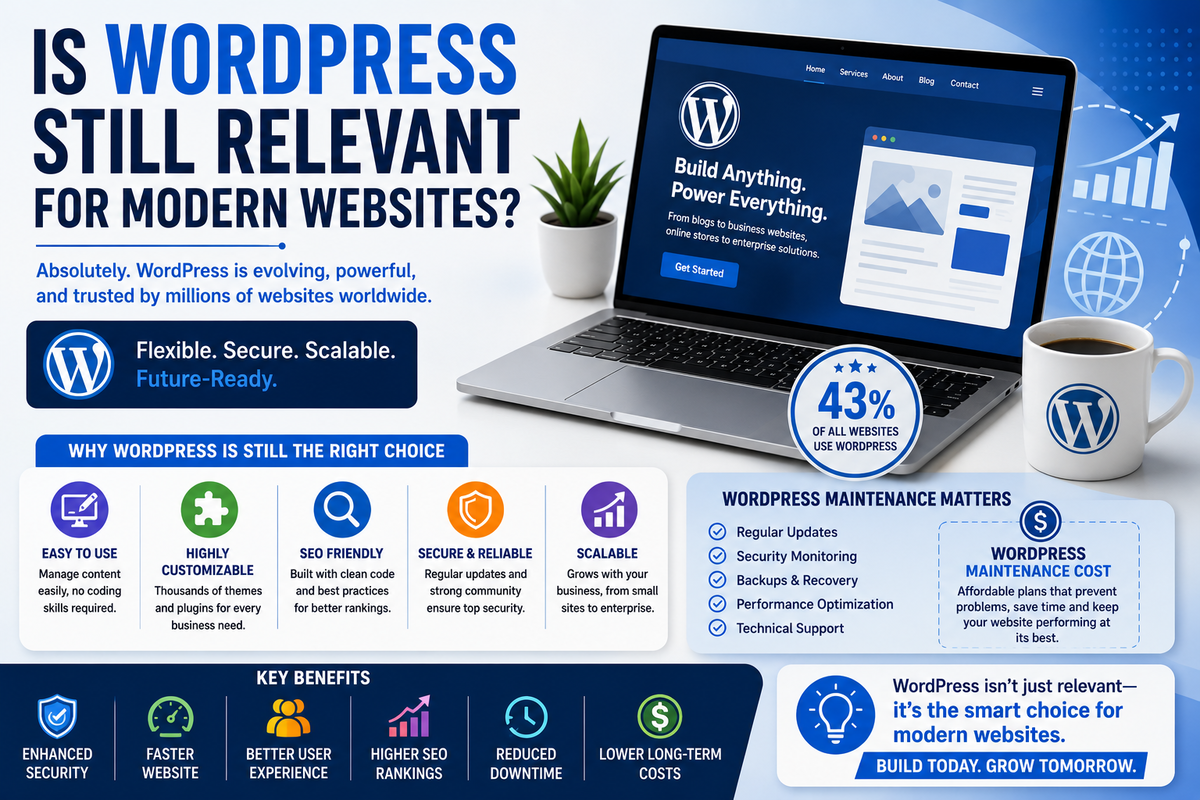
WordPress is a popular and versatile platform for website development. It is easy to use and offers a wide range of customization options, making it a great choice for businesses of all sizes.
WordPress website development involves creating a website using the WordPress content management system (CMS). It allows you to easily create and manage website content, as well as customize the design and functionality of your website.
WordPress offers a wide range of themes and plugins that allow you to customize your website to your specific needs. You can choose from thousands of free and premium themes to create a unique design for your website. You can also add functionality to your website by installing plugins, which allow you to add features like social media integration, e-commerce, and more.
WordPress website development is cost-effective and offers a quick turnaround time. It allows businesses to get their website up and running quickly, without the need for extensive coding or development experience.
Overall, WordPress website development is a great choice for businesses looking to create a professional and customizable website quickly and cost-effectively.
Why Hire WordPress Development Services?
There are several reasons why businesses should consider hiring WordPress development services:
1. Customization: WordPress is a highly customizable platform, and with the help of a WordPress development team, businesses can customize their website to suit their specific needs.
2. Expertise: Professional WordPress developers have the necessary expertise and experience to create a high-quality website that meets the client's requirements.
3. Time-saving: Hiring a WordPress development company can save businesses time and resources. The developers can complete the project quickly, allowing the business to focus on other important tasks.
4. Security: WordPress developers can ensure that the website is secure by implementing the necessary security features, such as firewalls, SSL certificates, and regular backups.
5. Support: Professional WordPress development services offer ongoing support and maintenance for the website, ensuring that it stays up-to-date and functions smoothly.
6. SEO-friendly: WordPress is inherently SEO-friendly, but professional developers can optimize the website even further to improve its search engine rankings.
Conclusion:-
Overall, hiring WordPress development services can help businesses create a professional and functional website quickly and efficiently, while also ensuring that the website is secure, optimized, and well-maintained